

Case study — Kensington, West London
Kensington Victorian Terrace — Conservation Area Rear Extension
This case study covers a single-storey rear extension in a Kensington conservation area, designed to create an open-plan kitchen-dining space for a Victorian terraced house. The project required a householder planning application to the Royal Borough of Kensington and Chelsea, one of the most stringent planning authorities in England.
Example planning & architectural drawings
Example plan sheets prepared by Crown Architecture
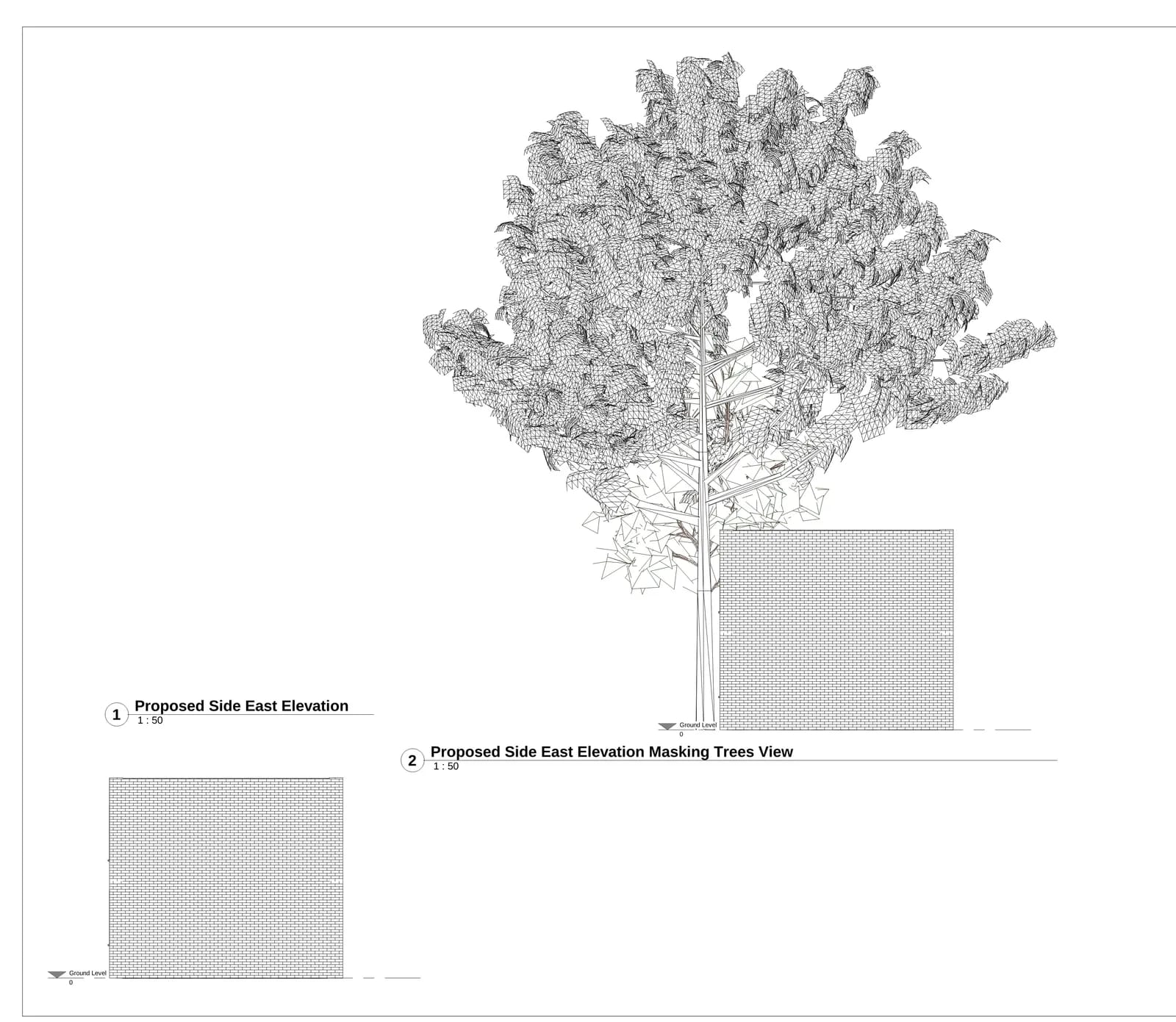
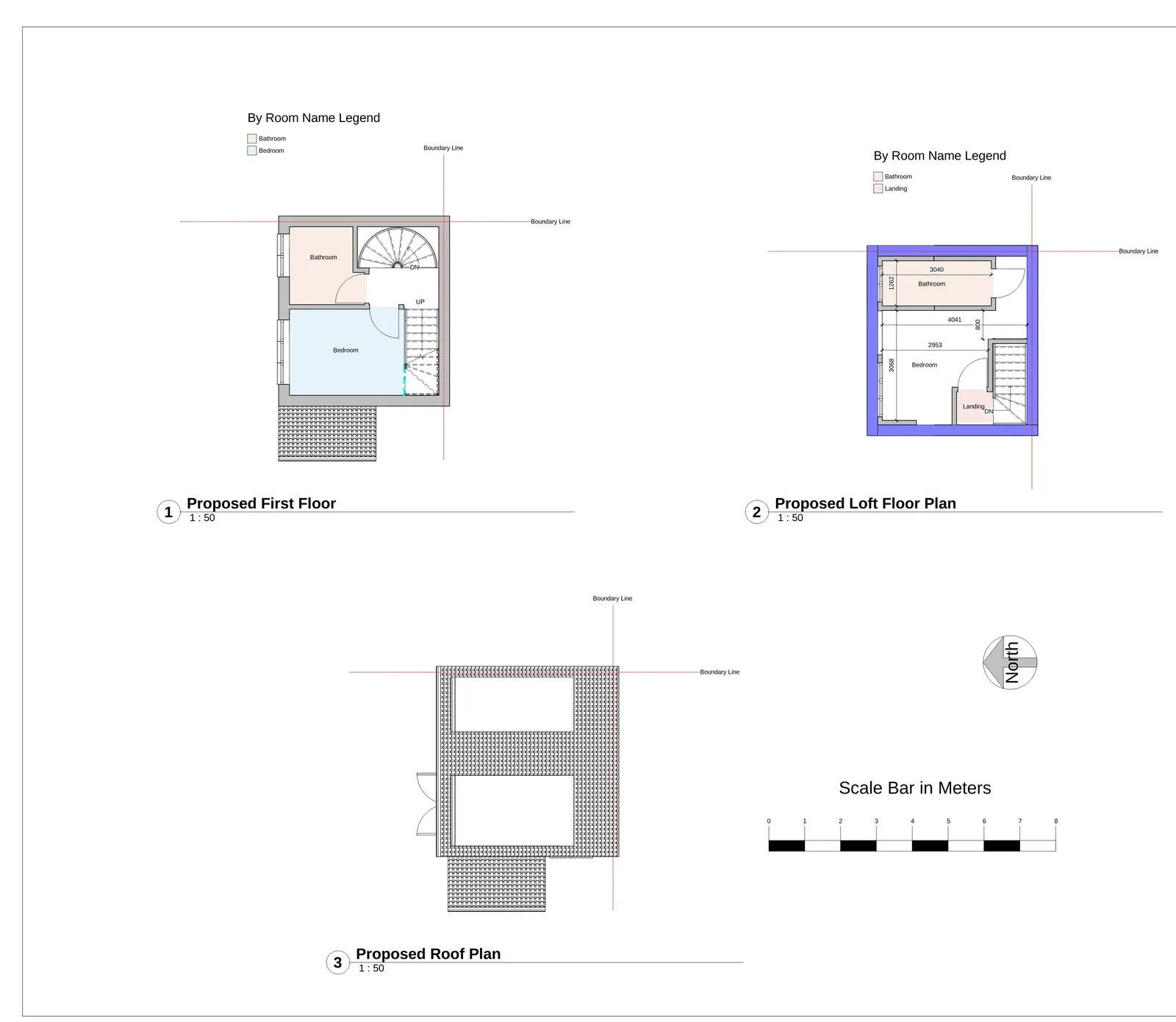
These example plan sheets show the type of architectural drawings, existing and proposed floor plans, elevations, roof plans, sections and 3D views Crown Architecture prepares for planning applications, permitted development, building control and residential design work. For homeowners, landlords and developers, Crown Architecture & Structural Engineering Ltd can prepare measured survey drawings, proposed layouts, planning drawings, building regulation drawings and supporting plan packages for extensions, loft conversions, garage conversions, internal alterations, HMO layouts and change-of-use applications.
Every project is reviewed around the property, the local authority requirements and the intended approval route, so the final drawing package is suitable for planning submission, building control coordination and contractor pricing where required.
Project details
Project summary
Project type
Single-storey rear extension
Location
Kensington, West London
Planning route
Householder planning application (conservation area, RBKC)
Construction cost
£68,000–80,000
Services
planning drawings, planning consultant, building regulation drawings
Project imagery
Single-storey rear extension — project imagery
Residential planning drawings, building regulation packages, and completed project photography related to this case study.


Project background
Project Brief
The clients owned a Victorian terraced house in a Kensington conservation area, managed by the Royal Borough of Kensington and Chelsea (RBKC) — one of the most design-conscious planning authorities in England. The brief was to extend the ground floor to the rear to create an open-plan kitchen-dining room, adding approximately 18m² of floor space and improving the connection to the garden.
The house was entirely within the conservation area, with the rear garden not visible from the street. The property had an existing rear addition of limited quality (a later addition, not original to the house) that was to be demolished as part of the works.
Have a similar project in Kensington and Chelsea or another London borough? Get a free initial consultation.
Get a Free QuoteDesign and planning
Design Approach
RBKC's planning officers are experienced and demanding. The design approach was to use high-quality materials in a clearly contemporary idiom — neither pastiche nor wilfully contrasting. A lantern roof light over the main dining area brought natural light into the centre of the deep extension plan, avoiding the dark-at-the-back problem common in deep rear extensions.
The rear elevation was finished in stock brick to match the existing rear wall, with large fixed and opening glazed sections in slim steel sections — a material considered appropriate by RBKC conservation officers in this conservation area context.
Pre-application advice was sought from RBKC before the formal application was submitted. The conservation officer's feedback focused on the lantern height (lowered by 300mm from the initial design) and the specification of the brick (a specific handmade stock brick was agreed). These changes were incorporated before the application was submitted.
Construction and outcome
Planning Application and Outcome
The formal application was submitted to RBKC following the pre-application process. The application included: planning drawings (location plan, block plan, existing and proposed floor plans, existing and proposed elevations, sections, and roof plan); a Design and Access Statement addressing the conservation area character and the design rationale; and a materials schedule confirming the agreed brick and glazing specifications.
The application was granted consent under delegated powers in eight weeks from registration. The only condition beyond standard ones was a pre-commencement material submission, which was discharged promptly using the agreed materials schedule.
Construction and outcome
Building Regulations and Construction
The building regulation package covered the new extension structure, insulation to Part L, the lantern rooflight specification, the new bifold glazed doors, drainage from the extension roof, and the connection to the existing house drainage. A structural engineer provided calculations for the steel beam at the rear wall opening and the new extension roof structure.
Construction was completed in fourteen weeks. The finished extension added 18m² of high-quality open-plan kitchen-dining space connected directly to the garden.
Common questions
Single-storey rear extension — frequently asked questions
Practical answers to the planning, design, and technical questions this type of project most commonly raises.
Is RBKC harder to get planning permission from than other London boroughs?
RBKC has a reputation as one of the most design-conscious planning authorities in England. This does not mean that applications are more likely to be refused — it means they are more likely to be scrutinised carefully, and proposals that demonstrate knowledge of the local conservation area character and use appropriate materials are more likely to progress smoothly. Pre-application advice from the conservation officer is particularly valuable in RBKC.
Do I need pre-application advice from RBKC before submitting?
Pre-application advice is not mandatory in RBKC, but it is strongly advisable for any extension or alteration in a conservation area. The conservation officer's feedback at pre-application stage can prevent significant late-stage design changes — and in RBKC, the design expectations are specific enough that early engagement with officers typically saves time and cost overall.
What materials are preferred in Kensington conservation areas?
RBKC's conservation area character appraisals describe the materials that contribute to the character of each conservation area. For Victorian terraced housing in Kensington, traditional stock brick in appropriate tones is generally preferred for rear additions. High-quality contemporary materials — slim steel section glazing, natural stone, quality render — can be approved where the design approach is clearly respectful of the heritage context and the quality of the materials is genuinely high.
Can I extend to the full width of the rear of the house?
Full-width single-storey rear extensions are generally acceptable in RBKC conservation areas provided the design is appropriate and the extension does not affect the character of the rear facade. RBKC officers typically assess the relationship of the extension to the party walls and any neighbouring rear additions. Where extensions meet both party walls, the officer will consider the impact on the amenity of both immediate neighbours.
Further reading
Related planning and design guides
More case studies
Other Crown Architecture projects
Rear dormer loft conversion — Hackney, East London
Hackney Victorian Terrace — Rear Dormer Loft Conversion
Hip-to-gable loft conversion with rear dormer — Richmond upon Thames, South-West London
Richmond upon Thames — Hip-to-Gable Loft Conversion
Two-storey rear extension — Wandsworth, South-West London
Wandsworth Victorian Terrace — Two-Storey Rear Extension
Mansard loft conversion — Islington, North London
Islington Georgian Townhouse — Mansard Loft Conversion
Start your project
Get a free quote for a similar project
Tell us about your project and we will respond within one working day with advice on the planning route and a fixed-fee proposal.
Call us on +44 7950 114633 or send us a message via our contact form. We cover all London boroughs and the home counties.
Contact UsReady to talk through your project?
Crown Architecture — Single-storey rear extension specialists
Expert planning drawings, building regulation packages, and planning consultancy for single-storey rear extension projects across London and the home counties. Fixed fees, fast response, high first-time approval rate.