
Heritage planning guide
Planning in a Conservation Area: A Complete Guide for London Homeowners
Living in a conservation area is something most London homeowners are aware of — but what it means in practice for planning applications, permitted development, and works to your property is often less well understood. This guide explains exactly what conservation area designation means, what restrictions apply, how planning applications are assessed, and what the most common pitfalls are.
Example planning & architectural drawings
Example plan sheets prepared by Crown Architecture
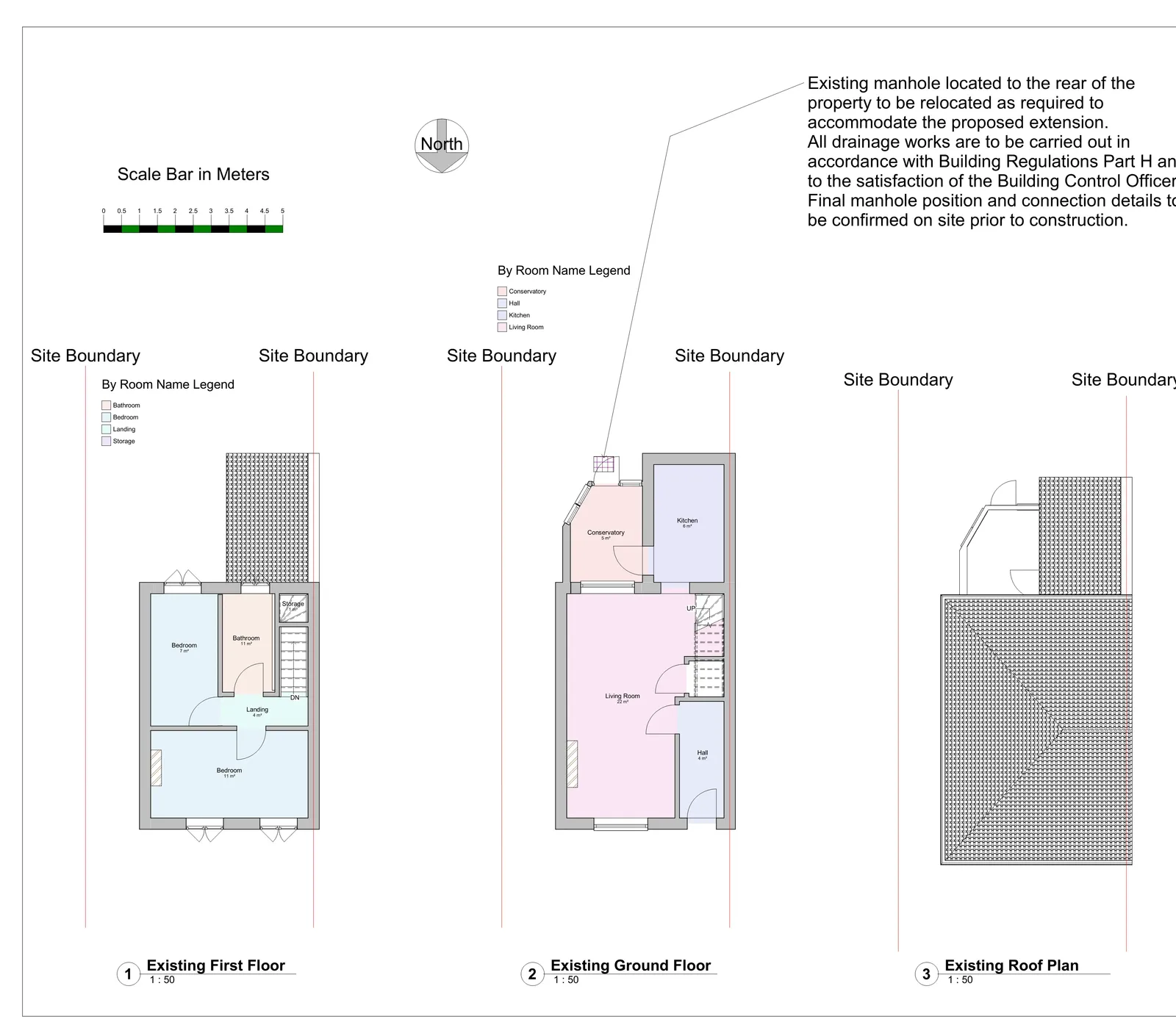
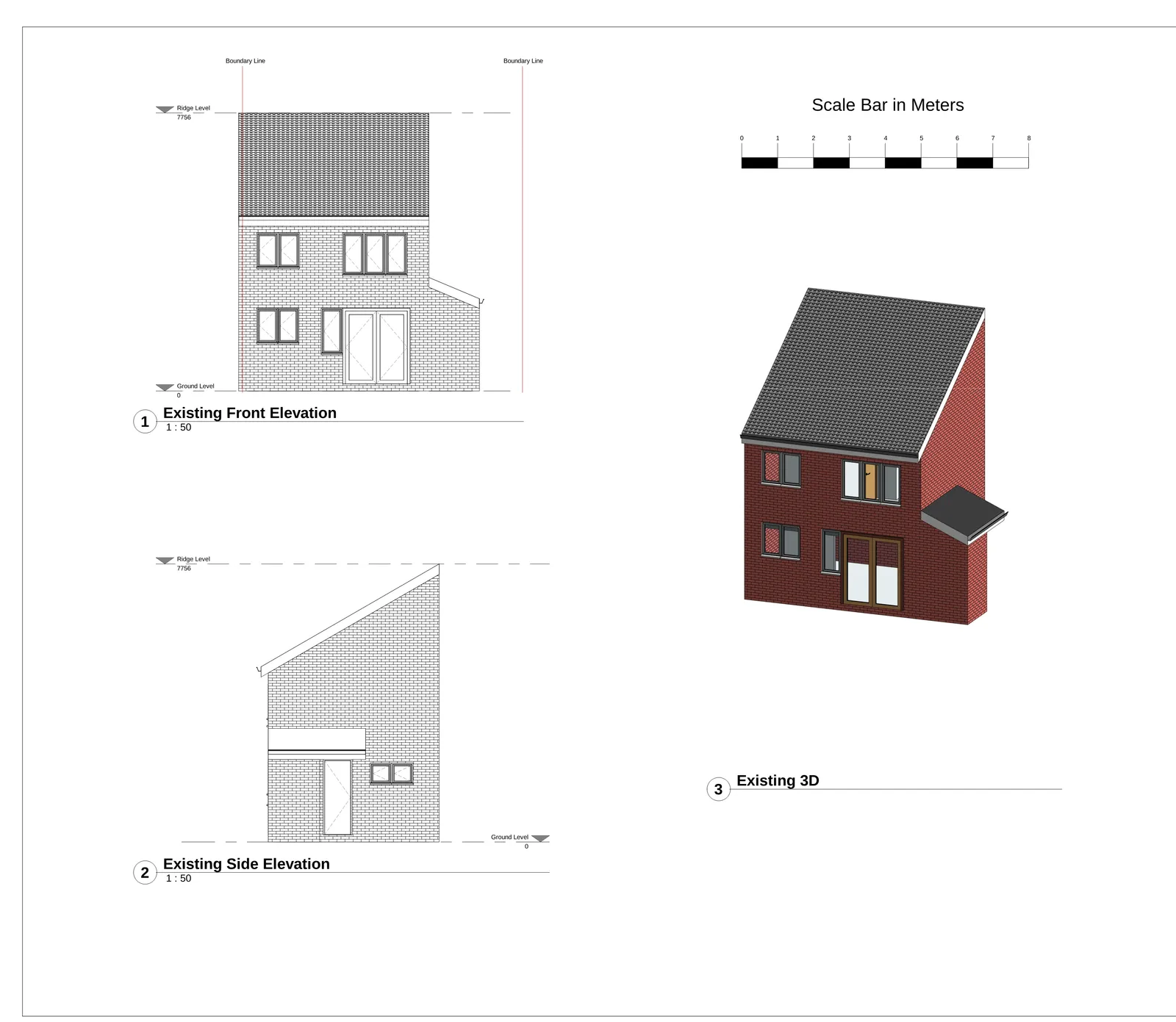
These example plan sheets show the type of architectural drawings, existing and proposed floor plans, elevations, roof plans, sections and 3D views Crown Architecture prepares for planning applications, permitted development, building control and residential design work. For homeowners, landlords and developers, Crown Architecture & Structural Engineering Ltd can prepare measured survey drawings, proposed layouts, planning drawings, building regulation drawings and supporting plan packages for extensions, loft conversions, garage conversions, internal alterations, HMO layouts and change-of-use applications.
Every project is reviewed around the property, the local authority requirements and the intended approval route, so the final drawing package is suitable for planning submission, building control coordination and contractor pricing where required.
Project imagery
Crown Architecture projects
Examples of the planning drawings, building regulation packages, and residential projects that this guide relates to.


Key information
What Is a Conservation Area?
A conservation area is a designated area of special architectural or historic interest whose character and appearance it is desirable to preserve or enhance. Conservation areas are designated by local planning authorities under the Planning (Listed Buildings and Conservation Areas) Act 1990.
London has more conservation areas than any other local authority area in England. Every London borough has multiple conservation areas — from Camden's Georgian and Regency squares to Lewisham's Victorian residential streets to Richmond's Thames-side villages. Some are tightly defined (a single street or square); others are extensive (covering large swathes of a borough).
Conservation area designation does not prevent development — it means that development must preserve or enhance the character and appearance of the area. Works that are well-designed and sympathetic to the local character are generally approved; those that harm the established character are resisted.
Need professional advice for your project? Crown Architecture offers free initial consultations.
Get a Free QuoteGuide section
What Changes in a Conservation Area
Conservation area designation changes several things for property owners: it removes or restricts certain permitted development rights; it creates an obligation to give six weeks' notice before demolishing unlisted structures; it adds a 'preserve or enhance' test to planning applications; and it gives conservation officers a formal role in the assessment of planning applications.
- Side extensions require planning permission (normally permitted development outside conservation areas)
- Roof alterations visible from a public highway require planning permission
- Cladding with artificial materials requires planning permission
- Satellite dishes on chimney stacks, walls, or roofs visible from a public highway require permission
- Demolition of any structure in the conservation area without permission is an offence
- Changes to windows and doors may require permission (particularly where Article 4 directions apply)
- Works affecting trees above a certain size require six weeks' prior notification
Guide section
How Planning Applications Are Assessed in Conservation Areas
Planning applications in conservation areas are assessed against the same policies as other householder applications, but with an additional heritage layer. The key question is whether the proposed works preserve or enhance the character and appearance of the conservation area.
Conservation officers assess the design, materials, and overall character of a proposal. In many London boroughs, conservation area character appraisals have been published — detailed documents that describe the key features of the area, typical building types, materials, roof forms, window proportions, and townscape character. Applications that demonstrate knowledge of these documents and respond to them are more likely to be approved.
Materials are frequently a key issue — redbrick buildings should extend in matching brick, not render; stock brick areas should use matching stock brick; slate roofs should be extended in natural slate or an approved artificial alternative. Using standard catalogue materials without regard for the local character is a common reason for refusal.
The position of additions in the streetscape matters — rear extensions are generally more acceptable than front or side additions visible from the street. Roof extensions visible from a public highway are scrutinised more carefully than those fully concealed within the rear of the roof.
Guide section
The Design Approach for Conservation Area Applications
A successful conservation area application in London typically follows a clear design logic: understand what defines the character of the area; identify what the proposal needs to achieve; find an approach that achieves the functional goal while preserving or enhancing the character elements.
This does not mean pastiche — slavishly copying period details on a clearly modern addition. Conservation officers in many London boroughs prefer a clearly contemporary approach that uses quality materials and proportions to respect the heritage context, rather than fake period details that read as superficial.
The preparation of a Design and Access Statement for conservation area applications is required by planning regulations. A good DAS demonstrates understanding of the area's character, explains the design rationale, and shows how the proposal responds to the heritage context. It is not a procedural formality — it is a genuine part of the planning case.
Common questions
Planning in a Conservation Area: A Complete Guide for London Homeowners — frequently asked questions
Practical answers to the questions homeowners most often ask about this topic.
How do I find out if my house is in a conservation area?
You can check your local planning authority's website for an interactive conservation area map. Most London boroughs publish the boundaries online. The national Historic England record also lists all designated conservation areas. Your title register (Land Registry) does not necessarily record conservation area status — always check with the planning authority.
Can I replace my windows in a conservation area?
Replacing windows in a conservation area may require planning permission, particularly where an Article 4 direction has removed permitted development rights for window alterations. In most London conservation areas, replacing original sash windows with PVC alternatives or significantly changing the window proportions is resisted by conservation officers. Like-for-like replacement in timber with traditional proportions is usually approved.
Can I extend my house in a conservation area?
Yes — extensions in conservation areas are possible but require planning permission. The application is assessed against the preserve-or-enhance test. Well-designed extensions that use appropriate materials and do not compromise the character of the area are regularly approved. It is the design quality and context-sensitivity that determines the outcome.
What is a conservation area character appraisal?
A conservation area character appraisal is a document prepared by the local planning authority that describes and analyses the special character of a conservation area — its history, built form, materials, public realm, trees and landscape, and the key features that contribute to its significance. Planning officers use it to assess applications; applicants can use it to understand what the authority is likely to approve or resist.
Does conservation area affect my home insurance?
Conservation area designation can affect home insurance premiums, particularly if your property has original period features (sash windows, original joinery, slate roofs) that are expensive to repair or replace like-for-like. Some insurers offer specialist cover for listed and conservation area properties. Conservation area status itself does not necessarily increase premiums, but the cost of repairs using approved materials can.
Further reading
Related planning and design guides
More homeowner guides covering related planning, design, and technical topics.
Cost guide
How Much Does Planning Permission Cost in London? (2026 Guide)
Planning permission costs in London include the planning fee, professional drawings, and any support…
Planning guide
Permitted Development vs Planning Permission: A Complete Guide for London Homeowners
Permitted development allows many extensions and loft conversions without planning permission — but …
Planning guide
Article 4 Directions: What They Mean for Your London Property
Article 4 directions remove permitted development rights from specific areas. This guide explains wh…
Start your project
Get a free quote from Crown Architecture
Tell us about your project and we will respond within one working day with a fixed-fee proposal.
Call us on +44 7950 114633 or use our contact form to discuss your project and receive a fixed-fee proposal.
Contact UsReady to talk through your project?
Crown Architecture — Planning and design for London homes
Expert planning drawings, building regulation packages, and planning consultancy for extensions, loft conversions, and residential alterations across London and the home counties.