

Comparison guide
Loft Conversion vs Extension: Which Adds More Value to a London Home?
Loft conversions and extensions are the two most popular home improvement projects in London, and both can add significant value and space. But they are very different in terms of cost, planning requirements, structural complexity, disruption to the household, and the type of space they create. This guide compares the two side by side so you can make an informed decision about which is right for your property and your goals.
Example planning & architectural drawings
Example plan sheets prepared by Crown Architecture
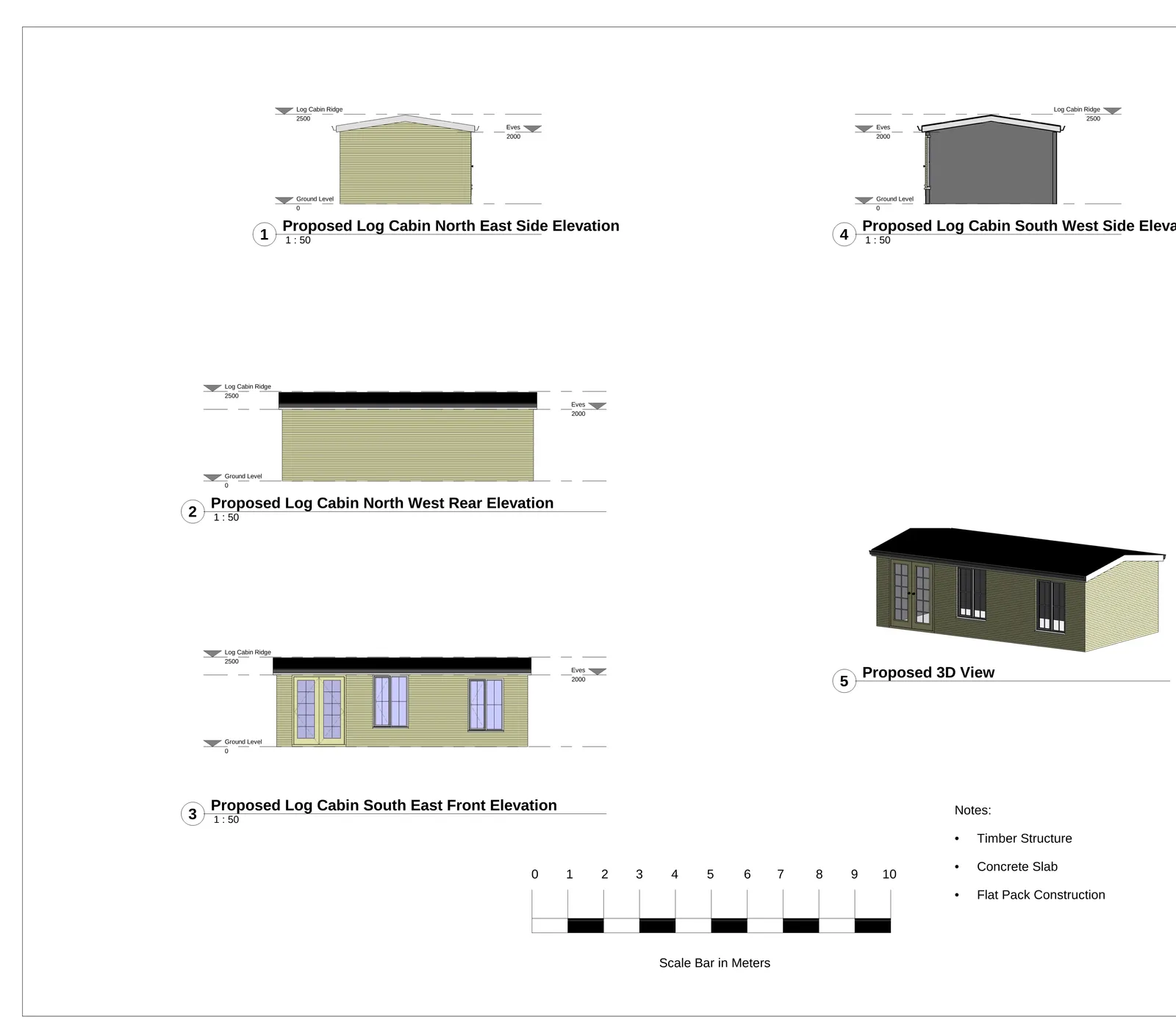
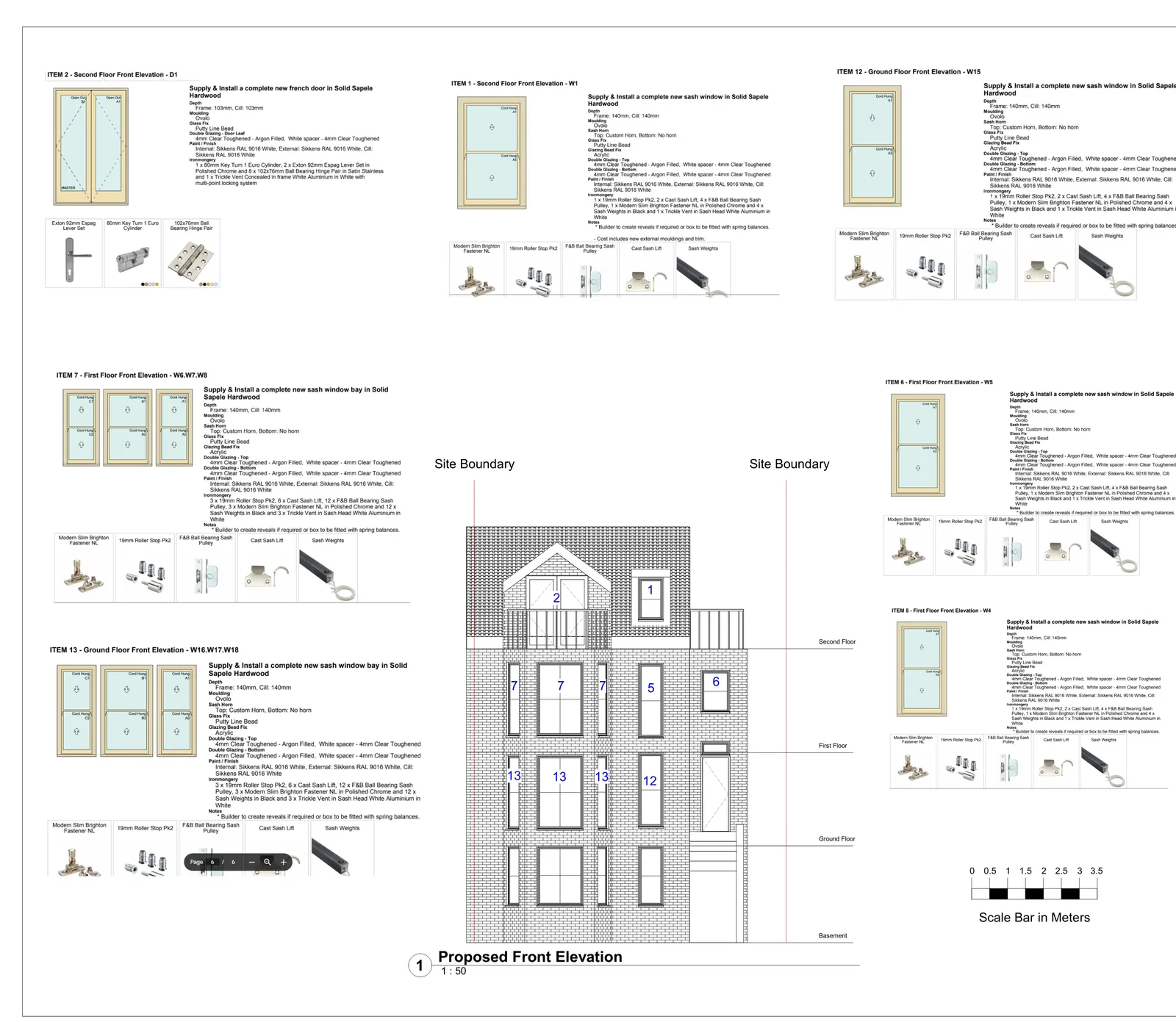
These example plan sheets show the type of architectural drawings, existing and proposed floor plans, elevations, roof plans, sections and 3D views Crown Architecture prepares for planning applications, permitted development, building control and residential design work. For homeowners, landlords and developers, Crown Architecture & Structural Engineering Ltd can prepare measured survey drawings, proposed layouts, planning drawings, building regulation drawings and supporting plan packages for extensions, loft conversions, garage conversions, internal alterations, HMO layouts and change-of-use applications.
Every project is reviewed around the property, the local authority requirements and the intended approval route, so the final drawing package is suitable for planning submission, building control coordination and contractor pricing where required.
Project imagery
Crown Architecture projects
Examples of the planning drawings, building regulation packages, and residential projects that this guide relates to.


Key information
What Each Project Creates
A loft conversion turns the unused roof space of a house into a habitable room or rooms — typically a bedroom with en-suite, a home office, or a children's room. The space created is determined by the existing roof geometry. In most Victorian and Edwardian terraced houses in London, a loft conversion creates one good-sized room with restricted head height at the edges, plus an en-suite bathroom.
An extension adds floor space to the footprint of the house, typically to the rear, side, or side-return. An extension can create almost any type of room — a large open-plan kitchen-diner is the most common choice — and is generally more flexible in layout because it is designed from scratch on the ground.
The key difference: a loft conversion adds a room at the top of the house, usually a bedroom or study. An extension adds a room at the back or side, usually a living or kitchen space. The right choice depends primarily on what type of space you need.
Need professional advice for your project? Crown Architecture offers free initial consultations.
Get a Free QuoteGuide section
Cost Comparison
Both projects span a wide cost range depending on the scope, the contractor, the specification, and whether London's higher labour costs apply. The following are approximate 2026 ranges for a typical London terraced or semi-detached house.
| Project Type | Approximate Construction Cost (London) | Typical Duration |
|---|---|---|
| Rooflight-only loft conversion | £20,000 – £35,000 | 6–10 weeks |
| Rear dormer loft conversion | £35,000 – £65,000 | 8–14 weeks |
| Hip-to-gable loft conversion | £45,000 – £80,000 | 10–16 weeks |
| Mansard loft conversion | £60,000 – £100,000+ | 14–22 weeks |
| Single-storey rear extension (kitchen-diner) | £35,000 – £75,000 | 8–14 weeks |
| Two-storey rear extension | £60,000 – £110,000+ | 14–24 weeks |
| Side-return extension | £30,000 – £60,000 | 8–14 weeks |
Guide section
Planning Requirements
Both loft conversions and extensions can sometimes proceed under permitted development — but the limits and conditions differ, and conservation area and Article 4 direction properties often lose these rights.
Loft conversions: Rooflight-only conversions within the volume limit (40m³ for terraced houses, 50m³ for detached/semi) are generally permitted development. Rear dormer conversions within the limits are often permitted development for terraced and semi-detached houses not in conservation areas. Hip-to-gable and mansard conversions almost always require planning permission because they change the roof form visibly from outside.
Extensions: Single-storey rear extensions within the depth limits (4m for detached, 3m for others without prior approval) are generally permitted development on houses not in conservation areas. Two-storey rear extensions are rarely within permitted development — they almost always need planning permission. Side-return extensions often need planning permission because they extend to the side of the house.
In conservation areas (common across large parts of inner London), many conversions and extensions that would be permitted development elsewhere require a full planning application. Check your specific location carefully before assuming permitted development applies.
Guide section
Value Added
Both loft conversions and extensions typically add more to the market value of a London home than they cost to build — in percentage terms, this is more pronounced for loft conversions because the cost per square metre is often lower and the bedroom count increase is a key value driver.
Adding a bedroom (particularly a master bedroom with en-suite) through a loft conversion in London can increase a property's value by 10–20% in the right market. The bedroom count is a primary search parameter for buyers, and moving from two to three or three to four bedrooms commands a significant premium.
Ground-floor extensions add value too, but the value driver is different — it is the quality and usability of the living space, not the bedroom count. A well-designed kitchen-diner extension can transform daily life in the house and command a strong market premium, but the headline value uplift is typically slightly lower than a comparable loft conversion in percentage terms.
These are general principles — value uplift varies significantly by area, property type, and market conditions. A local estate agent's view on the specific property is more reliable than any general rule.
Guide section
Disruption
Loft conversions are generally less disruptive to daily life than extensions because the main works happen above the habitable floors of the house. For a rear dormer conversion, scaffolding is erected at the rear and the main works are in the roof — the ground floor and first floor of the house remain usable throughout most of the project.
Extensions typically require more disruption at the point of connection between the new and old structures — breaking through the existing rear wall, dealing with drainage, and integrating the new floor level. During this phase, the kitchen or rear of the house may be unusable for two to four weeks. Some families choose to remain in the property throughout; others prefer to move out for the most disruptive phase.
Both projects require scaffolding (loft conversions at the rear of the roof; extensions at the new structure), which can affect parking and garden access. The typical scaffold period is four to eight weeks.
Guide section
When to Choose a Loft Conversion
A loft conversion is generally the right choice when: you need an additional bedroom (particularly a master suite); your rear garden space is limited and an extension would significantly reduce it; the loft space has adequate ridge height (at least 2.4m from floor joist to ridge); you want to add value through an increased bedroom count; or you are in a conservation area where a loft conversion can be designed to be less visible than an extension.
It is not the right choice when: the loft space is too shallow for a functional room; the property is a flat or maisonette where loft rights may be complex; you need ground-floor space rather than first-floor space; or the structural challenges make it prohibitively expensive.
Guide section
When to Choose an Extension
An extension is generally the right choice when: you need ground-floor living space (kitchen, dining, family room); you want to create an open-plan arrangement connecting to the garden; you need a downstairs bedroom or accessible space; or the loft geometry does not offer usable volume for a conversion.
It is not the right choice when: the garden is too small to lose further space to; planning restrictions make a rear extension difficult to obtain consent for; or you need a bedroom rather than a living room.
Common questions
Loft Conversion vs Extension: Which Adds More Value to a London Home? — frequently asked questions
Practical answers to the questions homeowners most often ask about this topic.
Can I do both a loft conversion and an extension at the same time?
Yes — many London homeowners carry out a loft conversion and an extension simultaneously or in planned sequence. Doing both at the same time can save on scaffold costs and contractor mobilisation, but it significantly increases the scope and disruption of the project. From a planning perspective, both can be applied for simultaneously — a combined application covering both projects. We advise many clients on phased projects that plan the extension and loft conversion as a coherent whole.
Which is cheaper — a loft conversion or an extension?
Generally, a rooflight-only or simple rear dormer loft conversion is cheaper than a single-storey extension of comparable floor area, because loft work reuses the existing structure (walls and foundations) and requires less groundwork. However, a mansard or hip-to-gable conversion can cost as much as or more than a single-storey extension. The comparison depends heavily on the specific project type and specification.
Does a loft conversion add more value than an extension?
In many London markets, a loft conversion that adds a bedroom adds more value per pound spent than a ground-floor extension. This is because bedroom count is a primary property value driver, and moving from two to three or three to four bedrooms can command a significant price premium. However, this is not a universal rule — the specific market, property type, and quality of the works all affect the outcome.
Do I need planning permission for a rear extension in London?
Single-storey rear extensions within the depth limits (up to 4m for detached houses, 3m for semi-detached and terraced houses) are generally permitted development in London for properties not in conservation areas or affected by Article 4 directions. Larger extensions under the prior approval notification scheme (up to 8m for detached, 6m for others) require neighbour consultation but are not a full planning application. Conservation area properties almost always need a planning application even for smaller extensions.
What is the minimum roof height for a loft conversion?
The minimum usable ridge height for a loft conversion is generally considered to be 2.2m from the ceiling of the room below (floor joist top) to the ridge. In practice, 2.4m or more gives a better result. The floor structure (new joists and flooring) takes approximately 200–250mm from the available height, so a roof with 2.4m from joist to ridge will give approximately 2.1–2.2m of usable head height at the centre of the room.
Can I have a bathroom in a loft conversion?
Yes — most loft conversions in London include at least a shower room or en-suite, and some include a full bathroom. The key practical considerations are plumbing routes (waste and supply), ventilation (opening roof window or mechanical extract fan), and structural loading from the wet room floor construction. These are all standard aspects of a loft conversion design and building regulation package.
Is a loft conversion or extension better for resale value?
For most London terraced and semi-detached properties, a loft conversion that adds a bedroom and bathroom typically produces a better return on investment at resale than a ground-floor extension of comparable cost. The bedroom count increase is a key driver. However, the best answer for your specific property depends on the current bedroom count, the local market, and what the property currently lacks — get local estate agent feedback before deciding.
Further reading
Related planning and design guides
More homeowner guides covering related planning, design, and technical topics.
Cost guide
How Much Does Planning Permission Cost in London? (2026 Guide)
Planning permission costs in London include the planning fee, professional drawings, and any support…
Planning guide
Permitted Development vs Planning Permission: A Complete Guide for London Homeowners
Permitted development allows many extensions and loft conversions without planning permission — but …
Cost guide
House Extension Costs in London: A Complete 2026 Guide
House extension costs in London range from £30,000 for a small single-storey addition to £150,000+ f…
Start your project
Get a free quote from Crown Architecture
Tell us about your project and we will respond within one working day with a fixed-fee proposal.
Call us on +44 7950 114633 or use our contact form to discuss your project and receive a fixed-fee proposal.
Contact UsReady to talk through your project?
Crown Architecture — Planning and design for London homes
Expert planning drawings, building regulation packages, and planning consultancy for extensions, loft conversions, and residential alterations across London and the home counties.