

TW16 — Chimney Breast Removal Calculations
Chimney Breast Removal Calculations in TW16
Structural calculations for chimney breast removal — calculating the support structure for the retained stack and providing building control drawings for the alteration. Crown Architecture & Structural Engineering Ltd prepares chimney breast removal calculations for homeowners in TW16, Sunbury-on-thames, with local planning context and a clear quote-first route. Our fixed-fee proposals cover each stage from initial consultation through to construction-issue drawings, with in-house structural engineering and full building regulation coordination.
Example planning & architectural drawings
Example plan sheets prepared by Crown Architecture
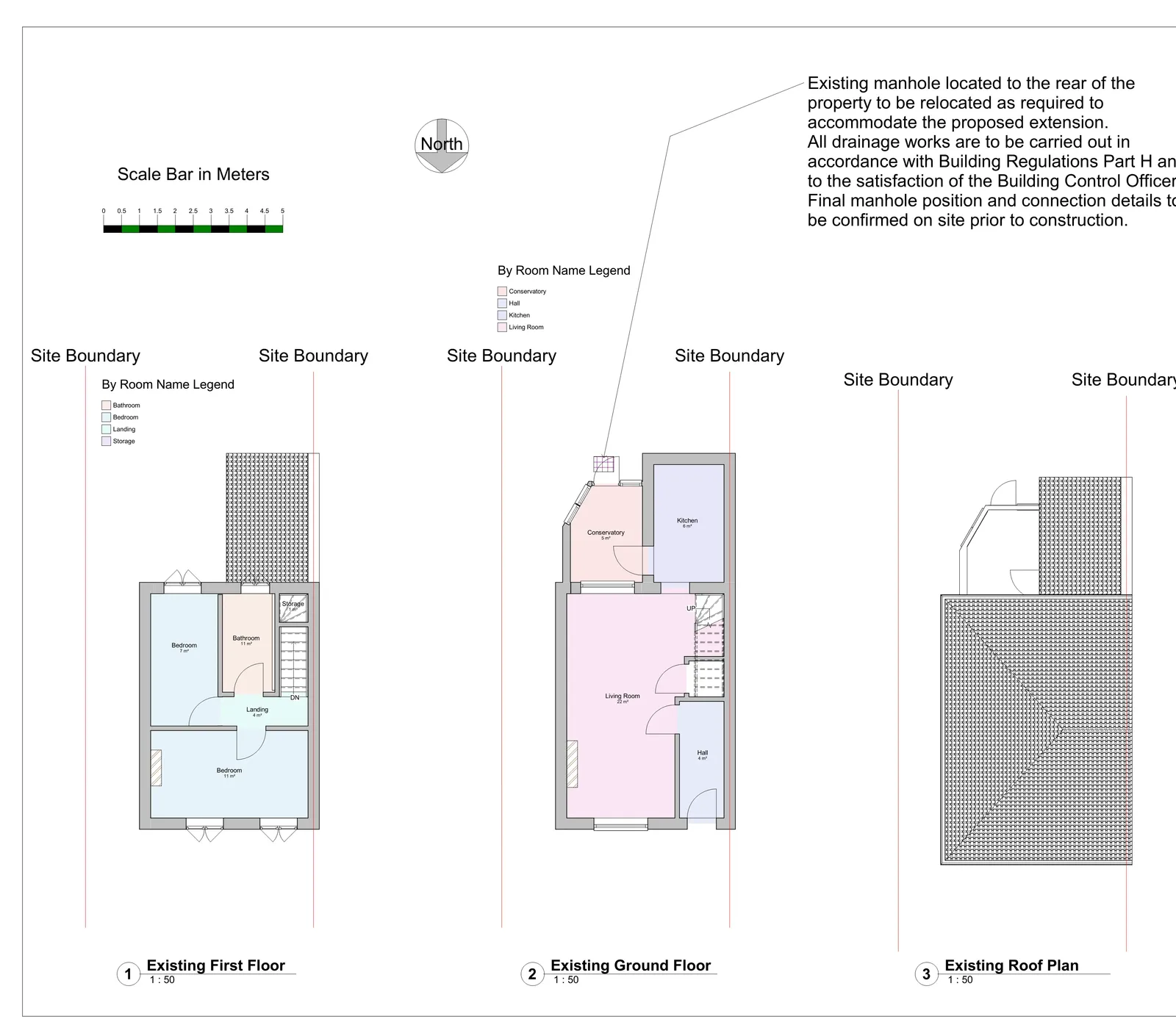
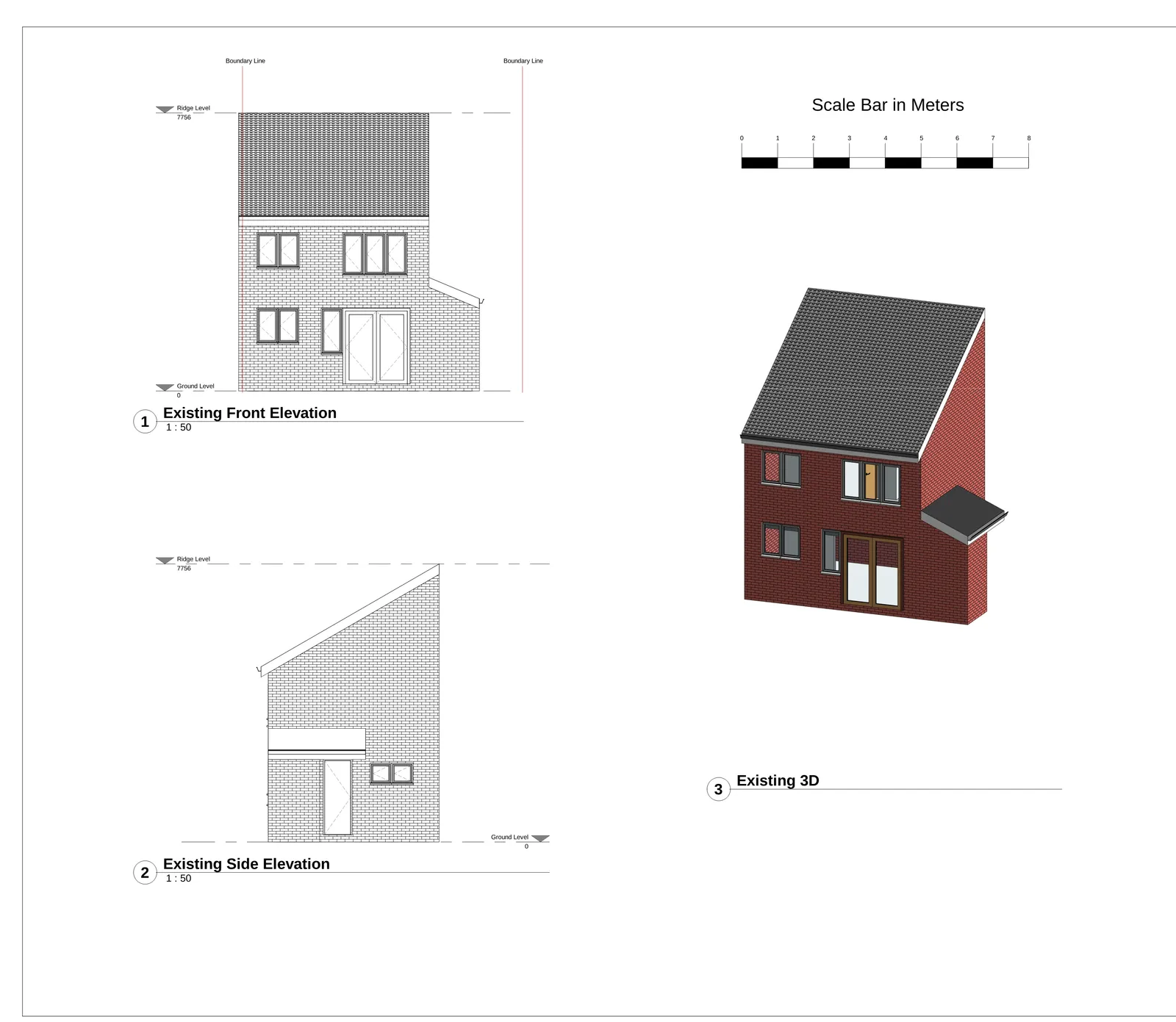
These example plan sheets show the type of architectural drawings, existing and proposed floor plans, elevations, roof plans, sections and 3D views Crown Architecture prepares for planning applications, permitted development, building control and residential design work. For homeowners and developers in TW16, Crown Architecture & Structural Engineering Ltd can prepare measured survey drawings, proposed layouts, planning drawings, building regulation drawings and supporting plan packages tailored to local authority requirements.
Every project is reviewed around the property, the local authority requirements and the intended approval route, so the final drawing package is suitable for planning submission, building control coordination and contractor pricing where required.
Fast quote route
Send the address, postcode, and project type so we can advise on the right drawing package.
Phone support
Speak directly about extensions, lofts, planning drawings, building regulations, or structural coordination.
Project brief
Use the contact page if you already have notes, sketches, estate agent plans, or timing questions.
Quote checklist
What to send for a useful project quote
A stronger enquiry lets us advise on the right drawing route sooner. You do not need a complete brief before contacting Crown Architecture, but these details help us avoid generic advice.
- Full property address or postcode so the planning and building control context can be checked.
- Project type, such as extension, loft conversion, garage conversion, planning drawings, building regulation drawings, or structural coordination.
- Photos, sketches, estate agent plans, existing drawings, or council correspondence if you already have them.
- Your current stage, target timing, and the main decision you need help with before committing to the next package.
Overview
Chimney Breast Removal Calculations in TW16
Homeowners search this when they want to remove a chimney breast and have been told by a builder they need structural calculations. This page connects chimney breast removal calculations to the TW16 postcode district, Sunbury-on-thames, Spelthorne, and the Spelthorne planning authority context that governs planning decisions here. Whether you need planning drawings, building regulation approval, structural engineering, or the full coordinated package from design to construction-issue drawings, Crown Architecture provides borough-specific expertise with fixed-fee proposals agreed before any work begins.
Local context
Local context for chimney breast removal calculations in TW16
Residential projects around TW16 can involve varied housing stock, so drawings should explain layout, scale, roof form, access, and neighbour relationships clearly. The safest route for TW16 projects is to check local planning constraints, previous alterations, permitted development limits, and building regulation implications before committing to a package. Understanding the local housing stock, planning authority expectations, and conservation area boundaries is essential for preparing a chimney breast removal calculations application that progresses efficiently and achieves first-time approval. Crown Architecture maintains up-to-date knowledge of Spelthorne planning authority context's validation requirements, officer preferences, and emerging policy positions.
Project imagery
Relevant project, drawing, and property imagery
A selection of residential project, drawing-package, and property-context imagery relevant to this service and area.


Route check
How chimney breast removal calculations should start in TW16
Targets homeowners wanting to remove a chimney breast who need structural calculations and building control drawings. For TW16, the first check is whether the property and project scope point toward planning, permitted development, lawful development, building regulations, structural coordination, or a staged route.
- Confirm the full property address and TW16 postcode before drawing scope is agreed.
- Check Spelthorne planning authority context, property type, previous alterations, and likely approval route.
- Keep builder pricing and technical progression visible even if the first package is planning-led.
Local project fit
Common TW16 project drivers
Residential projects around TW16 can involve varied housing stock, so drawings should explain layout, scale, roof form, access, and neighbour relationships clearly. Homeowners searching in TW16 usually want a practical route from address-specific advice into planning, building regulation, structural, or builder-ready information.
- rear extensions often need chimney breast removal calculations to be matched to property constraints and next-stage decisions.
- loft conversions often need chimney breast removal calculations to be matched to property constraints and next-stage decisions.
- garage conversions often need chimney breast removal calculations to be matched to property constraints and next-stage decisions.
- internal layout changes often need chimney breast removal calculations to be matched to property constraints and next-stage decisions.
Project route
How the enquiry becomes the right drawing package
A local or service search is only useful when it leads to the correct next step. We use the property context, project type, and likely approval route to shape the drawing scope before asking homeowners to commit to a larger package.
Route
Check the route first
We identify whether the project is likely to start with concept design, planning permission drawings, a lawful development route, permitted development evidence, or technical information.
Route
Shape drawings to the property
The package is framed around the home, neighbouring context, local authority expectations, and the practical decisions that affect layout, roof form, structure, and buildability.
Route
Keep the next stage visible
Where a project needs building regulation drawings, structural coordination, builder pricing, or construction-stage detail, that handoff is considered early rather than bolted on later.
What this page covers
What chimney breast removal calculations in TW16 includes
- Structural calculations for chimney breast removal
- Support structure design for retained stack
- Building control drawings for the alteration
- Calculations accepted by local authority building control
Why it matters
Why chimney breast removal calculations matters in TW16
- Calculations covering the full chimney breast removal scope
- Coordinated with building regulation drawings
- Fixed fee for chimney breast removal package
Related services
Other services in TW16
Architect in TW16
Residential architect services covering design drawings, planning applications, building regulation packages, and structural coordination for homeowners. This page applies the service to Sunbury-on-thames and TW16 homeowner searches.
Architectural Drawings in TW16
Residential architectural drawings for extensions, lofts, garage conversions, and internal reconfiguration. This page applies the service to Sunbury-on-thames and TW16 homeowner searches.
Architectural Plans in TW16
Architectural plan support for homeowners testing layouts, space use, and the first practical route for a residential project. This page applies the service to Sunbury-on-thames and TW16 homeowner searches.
Architectural Services in TW16
Full residential architectural services covering design, planning, building regulations, and structural coordination from one team. This page applies the service to Sunbury-on-thames and TW16 homeowner searches.
Planning Consultant in TW16
Planning consultant support for homeowners — planning drawings, pre-application advice, permitted development assessment, and householder application submission. This page applies the service to Sunbury-on-thames and TW16 homeowner searches.
Planning Permission in TW16
Planning permission drawings and application support for residential extensions, loft conversions, and alterations. This page applies the service to Sunbury-on-thames and TW16 homeowner searches.
Planning Drawings in TW16
Planning drawings that explain residential proposals clearly for local authority review. This page applies the service to Sunbury-on-thames and TW16 homeowner searches.
Planning Plans in TW16
Planning plans for residential applications — the layout drawings, elevations, and supporting documents needed for householder planning submissions. This page applies the service to Sunbury-on-thames and TW16 homeowner searches.
Planning Permission Drawings in TW16
Planning permission drawing packages for residential proposals that need formal local authority approval. This page applies the service to Sunbury-on-thames and TW16 homeowner searches.
Planning Permission Plans in TW16
Planning permission plans for residential householder applications — layout drawings and supporting documents for extension, loft, and alteration applications. This page applies the service to Sunbury-on-thames and TW16 homeowner searches.
House Extension Plans in TW16
House extension plans for rear, side-return, wraparound, and double-storey residential projects. This page applies the service to Sunbury-on-thames and TW16 homeowner searches.
Rear Extension Plans in TW16
Rear extension plans for homes where garden-facing space, daylight, and neighbour impact matter. This page applies the service to Sunbury-on-thames and TW16 homeowner searches.
Side Return Extension Plans in TW16
Side return extension plans for terrace and semi-detached homes using narrow side space more effectively. This page applies the service to Sunbury-on-thames and TW16 homeowner searches.
Wraparound Extension Plans in TW16
Wraparound extension plans for homes combining side and rear additions into a larger ground-floor upgrade. This page applies the service to Sunbury-on-thames and TW16 homeowner searches.
Loft Conversion Plans in TW16
Loft conversion plans for dormer, hip-to-gable, mansard, and rooflight residential projects. This page applies the service to Sunbury-on-thames and TW16 homeowner searches.
Loft Plans in TW16
Loft plans for dormer, hip-to-gable, mansard, and rooflight loft conversions — covering planning drawings and building regulation packages. This page applies the service to Sunbury-on-thames and TW16 homeowner searches.
Garage Conversion Plans in TW16
Garage conversion plans for turning underused garages into offices, bedrooms, living space, utility rooms, or flexible family rooms. This page applies the service to Sunbury-on-thames and TW16 homeowner searches.
Building Regulation Drawings in TW16
Technical building regulation drawing support for residential projects moving toward construction. This page applies the service to Sunbury-on-thames and TW16 homeowner searches.
Structural Engineer in TW16
Structural engineer support for homeowners who need technical advice alongside architectural drawings. This page applies the service to Sunbury-on-thames and TW16 homeowner searches.
Structural Engineering in TW16
Structural engineering coordination for residential alterations, openings, extensions, and loft work. This page applies the service to Sunbury-on-thames and TW16 homeowner searches.
Structural Calculations in TW16
Structural calculation support for beams, openings, loft floors, roof alterations, and residential extensions. This page applies the service to Sunbury-on-thames and TW16 homeowner searches.
Permitted Development Drawings in TW16
Permitted development drawing support for residential projects where the rules need to be tested carefully. This page applies the service to Sunbury-on-thames and TW16 homeowner searches.
Lawful Development Certificate Drawings in TW16
Drawings for lawful development certificate routes where homeowners need evidence that a proposal is lawful. This page applies the service to Sunbury-on-thames and TW16 homeowner searches.
Postcode hub
TW16 postcode district
TW16
Full residential drawing and planning context for the TW16 postcode area.
Architect
Working with an architect in TW16
Whether the keyword is architect, architects, architectural designer, architecture company, architecture firm, architecture practice or architectural consultant, the TW16 answer starts the same way: read the property, confirm the constraints, agree the route, and only then commit to a drawing package.
Working with an architect in TW16 is usually less about a stamp on a drawing and more about the route from idea to approval. TW16 homeowners typically come to Crown Architecture wanting clear advice on what is achievable on their plot, what Spelthorne planning authority context will look for, and which drawings unlock the next step without paying for work that is not yet needed.
An architect or architectural designer in TW16 adds value most when they are honest about scope early. Residential projects around TW16 can involve varied housing stock, so drawings should explain layout, scale, roof form, access, and neighbour relationships clearly. Residential projects around TW16 can involve varied housing stock, so drawings should explain layout, scale, roof form, access, and neighbour relationships clearly. Those facts, set against Spelthorne planning authority context expectations, are what shape a buildable proposal — not a generic template.
Architectural services
Architectural services in TW16
Architectural services in TW16 cover the full route a homeowner needs: feasibility advice, measured information, design and planning-stage drawings, building-regulation packages, and structural coordination. Crown Architecture sequences them so each stage informs the next instead of being bolted on later.
For TW16 projects, architectural services are most useful when they are framed around the realistic approval route — full planning, householder permission, permitted development, or a Lawful Development Certificate — rather than around a generic deliverable list.
Planning plans
Planning plans for TW16 projects
Planning plans for a TW16 project are the drawings that go in front of Spelthorne planning authority context: site plan, existing and proposed floor plans, existing and proposed elevations, and a location plan at the right scale. The point of the package is to answer the planning officer's questions before they ask them.
A strong set of planning plans in TW16 is location-aware: it shows how the proposal reads from the public realm, how it relates to neighbours, and how it sits against the safest route for TW16 projects is to check local planning constraints, previous alterations, permitted development limits, and building regulation implications before committing to a package. Generic plans tend to underperform here because Spelthorne planning authority context judges proposals on local context.
Planning permission
Planning permission in TW16
Most TW16 householder enquiries fall into one of four routes: permitted development, Lawful Development Certificate, householder planning permission, or full planning. The drawings, fees, and timelines differ by route, so it pays to confirm the right one first.
Whether a TW16 project needs planning permission depends on the property, the scope, and any local constraints — conservation, Article 4, listed-building consent. Some changes proceed under permitted development; others need a householder or full planning application to Spelthorne planning authority context. Confirming the route on paper is much cheaper than discovering it mid-build.
Planning permission plans
Planning permission plans for TW16 homes
Planning permission plans for a TW16 home are a specific drawing set: site/location plan, existing and proposed floor plans, existing and proposed elevations, and supporting context where the property sits in a sensitive setting. The package is the case made in drawings.
Crown prepares planning permission plans for TW16 projects so Spelthorne planning authority context can validate the application first time. That means correct scales, clear North arrows, accurate boundaries, and the supporting heritage/design statement where the property's setting requires it.
Planning consultant
Planning consultant support in TW16
A planning consultant for a TW16 project is most useful when the proposal is finely balanced: in a conservation area, near a listed neighbour, on a sensitive frontage, or where a refusal would cost serious time. The role is to advise on the route, the policy hooks, and how the application should be presented to Spelthorne planning authority context.
Crown's planning-consultant input for TW16 covers pre-application advice, route strategy, policy alignment with the Spelthorne planning authority context local plan, and review of objections or conditions where they arise. The aim is to keep the homeowner in control of the timeline rather than waiting for the council to drive it.
Planning consultant cost for TW16 projects depends on complexity. Straightforward householder schemes need a short strategy note; sensitive sites or refusals need a fuller appraisal, policy review, and sometimes pre-application engagement. Crown scopes this transparently so you only pay for the route you need.
Structural engineer
Structural engineer involvement in TW16
In TW16, structural-engineer involvement typically covers calculations for steel beams, lintels, foundations, and any work that affects load paths. Where the route is structural-led — basements, large openings, complex loft conversions — the engineer is engaged earlier rather than at the end.
A structural engineer becomes part of a TW16 project the moment loads change — a wall is removed, an opening is formed, a roof is altered, or foundations are added. Resolving spans and connections early keeps the drawings, the build, and the approval routes aligned.
Costs & quotes
Costs and quotes for TW16 projects
How much do architectural drawings cost in TW16? Honest answer: it depends on the route, the property, and how complete the starting information is. Crown scopes each stage transparently — feasibility, planning drawings, lawful-development evidence, building-regulation, structural — so you only pay for what you actually need next.
Planning consultant cost, architectural drawings cost, and structural-calculation cost for TW16 homes are quoted in stages rather than as a single bundled number. That keeps the homeowner in control of how far the project goes before further fees are committed.
Quote turnaround for TW16 projects is fast when the brief is short and specific. Send the address or postcode, photos, any existing plans, and a one-line description of what you want to change. Crown can then advise on the likely route and stage fees before any drawing work begins.
Architects
Architects in TW16
Finding architects in TW16 is straightforward — choosing the right one requires understanding whether they know Spelthorne planning authority context's expectations, can handle the specific property type, and will stage fees so you are not paying for work you cannot yet use.
Architects near TW16 vary from large commercial practices to sole practitioners. The question for a homeowner is not who has the biggest portfolio, but who will read your property honestly, confirm the approval route, and scope only the drawings you need next. That is the approach Crown takes for every TW16 enquiry.
Residential architect
Residential architect services in TW16
A residential architect in TW16 focuses on homes — extensions, conversions, loft and garage changes, internal remodelling, and the planning and building-control routes these projects need. That focus matters because residential work in TW16 is governed by local housing stock, Spelthorne planning authority context policy, and neighbourhood context in ways that commercial architecture does not touch.
A residential architect understands that a TW16 homeowner's priority is usually clarity: what can the property accommodate, what will the council accept, and how much will the drawing and approval stages cost. Crown's approach is to answer those questions before a full package is scoped.
Architectural consultant
Architectural consultant in TW16
Homeowners in TW16 searching for an architectural consultant usually want practical drawing and planning advice for a specific project — an extension, loft conversion, garage change, or internal layout. The consultant role is to assess feasibility, recommend the approval route, and produce drawings that satisfy Spelthorne planning authority context validation.
An architectural consultant in TW16 provides design, drawing, and planning-route advice without necessarily being RIBA-chartered. For residential projects, what matters is the quality of the drawings, the understanding of Spelthorne planning authority context's process, and the ability to coordinate the approval and technical stages. Crown operates as both architectural designer and structural practice, covering the full residential route.
Planning application help
Planning application help in TW16
Planning application help for TW16 homeowners covers the full process: confirming whether a planning application is needed, assembling the correct drawing set, writing any supporting statements, submitting to Spelthorne planning authority context, and managing conditions or amendments. Crown handles this alongside the design work so the application and drawings stay aligned.
Many TW16 homeowners look for planning application help when they have a project in mind but are unsure whether they need permission, which drawings to submit, or how to present the proposal. Crown's approach is to confirm the route, produce the drawings, and manage the submission so the application tells a coherent story from the start.
Planning drawings
Planning drawings for TW16 homes
The purpose of planning drawings in TW16 is to make the homeowner's case in drawn form. Whether the route is permitted development, householder planning, or a full application, the drawings should anticipate the officer's assessment criteria and answer them before they are raised.
Planning drawings for a TW16 project are the drawn evidence that supports a planning application or lawful development certificate. They include existing and proposed floor plans, elevations, sections, a site plan, and a location plan — each produced to the scales and conventions that Spelthorne planning authority context requires for validation.
Permitted development
Permitted development in TW16
The permitted-development route in TW16 is attractive because it avoids the planning application timeline and fees, but it carries its own risk: if the work exceeds the limits, enforcement can require retrospective removal. A Lawful Development Certificate or confirmation check protects the homeowner before and after the build.
Many TW16 extensions and conversions qualify under permitted development, but the limits on depth, height, volume, and boundary proximity are precise and easy to breach by a small margin. Crown checks the specific property against the relevant class before any drawing work is committed.
Lawful Development Certificate
Lawful Development Certificate in TW16
Applying for a Lawful Development Certificate in TW16 requires measured drawings that demonstrate the proposal sits within the relevant permitted-development class. Crown prepares the LDC submission as part of the drawing package so the position is confirmed before the builder starts.
A Lawful Development Certificate (LDC) confirms that proposed work in TW16 falls within permitted development rights and does not need a planning application. It is issued by Spelthorne planning authority context and provides a formal record that the work is lawful — useful for the homeowner during the build, for a future sale, and as evidence if a neighbour or enforcement officer queries the project.
FAQ
Questions homeowners often ask
How much do architectural drawings cost in TW16?
Architectural drawings cost in TW16 depends on the route — feasibility sketch, planning-stage drawings, lawful-development evidence, or a full technical package. Crown Architecture scopes each stage transparently so you only pay for what you actually need next. Send the address or postcode and a one-line brief and we can quote the realistic stages before any drawing begins.
How much do architectural plans cost in TW16?
Architectural plans cost in TW16 is staged: a planning-stage plan set is priced separately from building-regulation and structural packages, so the homeowner stays in control of how far the project goes before further fees are committed. Complexity, sensitivity (conservation/Article 4), and how complete the starting information is all influence the figure.
How much does a planning consultant cost in TW16?
A planning consultant for TW16 is typically scoped to the proposal: a short strategy note for a straightforward householder scheme; a fuller appraisal, policy review, and pre-application input where the site is sensitive or a refusal would cost time. Crown quotes this in stages rather than as a single bundled number.
Do I need planning permission in TW16?
Whether a TW16 project needs planning permission depends on the property, the scope, and any local constraints — conservation area, Article 4 direction, listed-building consent, Spelthorne planning authority context local plan considerations. Some changes proceed under permitted development; others need a householder or full planning application. We confirm the route on paper before drawings are scoped.
Can I use permitted development in TW16?
Permitted development can be the fastest route for modest TW16 projects — but only where dimensions, siting, and impact stay within the limits, and where no Article 4 direction has removed the right. A Lawful Development Certificate is often worth securing so the position is unambiguous for a future sale.
How long do planning drawings take?
Planning drawings for a TW16 project typically take from a couple of weeks for a straightforward householder scheme to several weeks for a sensitive or complex site. The total clock to a decision includes Spelthorne planning authority context's statutory consultation period. We map the realistic timeline up front so there are no surprises.
Can Crown help with building regulation drawings?
Yes. Crown Architecture prepares building-regulation drawings and specifications for TW16 homes, coordinated with the structural and architectural packages so the technical detail aligns with what was approved. The building-regulation stage can often run in parallel with planning once the design is fixed.
Can Crown help with structural calculations?
Yes. Crown Architecture & Structural Engineering Ltd coordinates structural calculations for TW16 projects where openings, beams, foundations, or roof alterations are involved. We sequence the structural and architectural design together so the two sides stay consistent through to construction.
Do you cover nearby areas?
Yes — Crown regularly works across TW16 and nearby areas including TW13, TW14, KT12, TW17, TW15, TW12. The same locally-aware approach applies: real property stock, real local-plan context, and a clear route to approval before drawings are scoped.
What do I need to send for a quote?
For a useful TW16 quote, send the full address or postcode, photos inside and out, any existing plans or estate-agent floor plans, and a short description of what you want to achieve. That is enough to advise on the likely route before a full drawing package is scoped.
Do you provide chimney breast removal calculations in TW16?
Yes. Crown Architecture & Structural Engineering Ltd supports homeowners in TW16 with chimney breast removal calculations, local context review, and quote-first next-step guidance.
What makes chimney breast removal calculations in TW16 different from a generic page?
This page connects chimney breast removal calculations to Sunbury-on-thames, Spelthorne, nearby postcode districts, common residential project types, and the likely route through planning or technical design.
Can you advise whether chimney breast removal calculations in TW16 needs planning permission?
Yes. We check the address, property type, project scope, and local planning context before advising whether the project should start with planning drawings, permitted development evidence, a lawful development certificate, or technical information.
Can chimney breast removal calculations in TW16 progress into building regulation or structural coordination?
Yes. Where the project needs technical drawings, building regulation information, structural calculations, or builder-ready detail, we keep that next stage visible from the first enquiry.
What information should I send for a chimney breast removal calculations quote?
Send the full postcode, property address, project type, photos, rough dimensions or existing plans if available, and any council, builder, or building control questions already raised.
How do I contact Crown Architecture about chimney breast removal calculations in TW16?
Use the quote form, call or text +44 7950 114633, or email info@crownarchitecture.co.uk. The correct phone link is tel:+447950114633.
Do you work on architectural drawings and planning support projects in TW16?
Yes. Crown Architecture & Structural Engineering Ltd supports TW16 homeowners with architectural drawings and planning support, drawing coordination, and clear next-step guidance for residential projects of all sizes.
Will a architectural drawings and planning support project in TW16 need planning permission?
It depends on the property and scope. Some work proceeds under permitted development or a Lawful Development Certificate; other changes need a full application to Spelthorne planning authority context. We review your specific case before any drawings are scoped.
Which council handles planning in TW16?
For most TW16 homes the planning authority is Spelthorne planning authority context. Their validation requirements and local policies shape how the proposal should be drawn and justified.
Is my TW16 home likely to be in a conservation area?
Parts of TW16 and nearby areas are covered by conservation designations or Article 4 directions, which can restrict permitted development. We confirm the designation early so the route and drawings reflect it.
What should I send before asking for a quote?
The full address or postcode, photos inside and out, any existing or estate-agent plans, and a short description of what you want to achieve. That is enough to advise on the likely route first.
How long does a TW16 project take?
Timelines depend on the route. Permitted-development and certificate routes can be quicker; full planning runs to the authority's statutory period. Building-regulation and structural stages can often run alongside once the design is fixed.
Do I need a structural engineer as well?
If the work removes walls, forms openings, or alters the roof, structural calculations are usually required. Crown can coordinate the structural design alongside the drawings so the two stay aligned.
What does the architectural drawings and planning support package include?
Typically existing and proposed plans, elevations and sections, a site and location plan, and the supporting context needed for the chosen route — with technical detail added where the project requires it.
How are fees worked out for TW16 projects?
Fees reflect route complexity, project scale, and how complete the starting information is. Stages are scoped transparently so you only pay for the route you need.
Can you help after the drawings — into building control and construction?
Yes. We can align building-regulation information, structural coordination, and construction-stage requirements so the package stays coherent from enquiry through to build.
What if my project is borderline between permitted development and full planning?
We keep both routes in view and, where useful, secure a Lawful Development Certificate so the position is unambiguous — protecting your schedule and any future sale.
How do you make sure the drawings suit TW16 specifically?
The package reflects the local property type, the safest route for TW16 projects is to check local planning constraints, previous alterations, permitted development limits, and building regulation implications before committing to a package, and Spelthorne planning authority context expectations, rather than a generic template that ignores planning, structure, access, or buildability.
Do you cover areas near TW16?
Yes — we regularly work across TW16 and nearby areas including TW13, TW14, KT12, TW17, TW15, TW12, applying the same locally-aware approach to each.
What types of residential projects do you support in TW16?
We regularly support extensions, loft conversions, garage conversions, internal reconfiguration, planning drawing packages, and technical drawing work for homeowners in TW16. This includes single-storey rear extensions, side-return extensions, double-storey extensions, dormer and mansard loft conversions, hip-to-gable loft conversions, rooflight loft conversions, full garage conversions, garden rooms, outbuildings, and change-of-use applications where the project involves residential alterations.
Can you advise on planning drawings before I commit to a full package in TW16?
Yes. Early discussion helps identify the most suitable route and whether the project needs planning drawings, a lawful development approach, permitted development evidence, or technical progression. We offer a free initial consultation to review your brief and advise on the likely drawing requirements before any fee commitment.
What information should I send for a TW16 quote?
Send the address or postcode, the property type, photos of the front and rear of the property, any existing plans or sketches, and a short summary of the proposed works. If you have a surveyor's report, title plan, or pre-application advice from the council, include those too. These details help us identify the likely drawing package and any planning or technical issues to consider first.
Do local planning constraints in TW16 affect the drawings?
They can. Conservation areas, Article 4 directions, neighbouring properties, roof form, boundary relationships, parking, access, and local validation requirements may all affect how a TW16 residential proposal should be drawn and explained. We check these constraints at the outset so the drawing package addresses them from the first design iteration rather than after a refusal or amendment request.
Can the work move from planning drawings into building regulation or structural coordination in TW16?
Yes. If the project needs technical drawings, building control information, structural calculations, or a clearer package for builders, the initial drawing route can be developed into the next stage. Many homeowners start with planning drawings and then progress to a full building regulation and structural package once consent is granted. We coordinate both stages so the technical drawings are consistent with the approved planning scheme.
Do you only work from one local office in TW16?
No. Crown Architecture & Structural Engineering Ltd provides quote-led residential drawing support across London, the South East, and surrounding commuter counties, including TW16, without claiming a separate local office on each area page. Our registered office is at 71–75 Shelton Street, London WC2H 9JQ, and we carry out measured surveys and site visits across the service area.
What does a typical planning drawing package include for a TW16 project?
A standard householder planning package for TW16 includes existing and proposed floor plans, existing and proposed elevations (front, rear, and both sides), a site location plan at 1:1250 scale, a block plan at 1:500 scale, and a completed application form with the required ownership certificates. Where conservation area or listed building constraints apply, a design and access statement or heritage statement may also be required.
How long does the planning drawing process take in TW16?
Typically 2–4 weeks from the initial measured survey to a complete planning application submission for a straightforward householder project in TW16. More complex projects — conservation area schemes, basement proposals, or projects requiring structural engineering input — may take 4–8 weeks. The statutory determination period for a householder application is 8 weeks from validation by the local authority.
What is the difference between planning drawings and building regulation drawings for TW16 homes?
Planning drawings show the design intent and its relationship to the site, neighbours, and street scene — they answer the question "is this acceptable development?" Building regulation drawings are technical construction documents that show how the building will comply with the Building Regulations (structure, thermal performance, fire safety, drainage, ventilation) — they answer the question "is this safe and compliant to build?" Most TW16 projects need both.
Do I need a structural engineer for my TW16 project?
Most extensions, loft conversions, and internal structural alterations in TW16 require structural calculations by a qualified structural engineer. This includes steel beam sizing (RSJs), foundation design, load-bearing wall removal calculations, chimney breast removal support, and loft floor strengthening. Crown Architecture includes structural engineering as part of our integrated service — we coordinate the structural design with the architectural drawings so the package is consistent.
What is a Lawful Development Certificate and do I need one in TW16?
A Lawful Development Certificate (LDC) is a formal confirmation from the local authority that your proposed works fall within permitted development rights and do not require planning permission. In TW16, an LDC is strongly recommended for any project relying on permitted development — particularly rear extensions, loft conversions, and outbuildings. It provides legal certainty, satisfies mortgage lender requirements, and avoids enforcement risk. The fee is lower than a full planning application and the process is quicker.
How much do architectural drawings cost for a TW16 home?
Fees depend on the scope and complexity of the project. As a guide for TW16: a planning-only package for a straightforward rear extension typically starts from around £1,200–£1,800; a combined planning and building regulation package from £2,000–£3,500; and a full architectural service including structural engineering from £3,000–£6,000+. We provide fixed-fee proposals after a free consultation so there are no surprises. VAT and local authority application fees are additional.
What is permitted development and does it apply in TW16?
Permitted development (PD) rights allow certain building works to proceed without a planning application, subject to size limits, height restrictions, and material constraints set out in the Town and Country Planning (General Permitted Development) Order. In TW16, PD rights may be restricted or removed in conservation areas, by Article 4 directions, or where previous extensions have used up the available allowance. We check PD eligibility at the start of every project and advise on whether a full planning application or a Lawful Development Certificate is the better route.
Can you help if my planning application is refused in TW16?
Yes. If a planning application is refused by the TW16 local authority, we can review the refusal reasons, advise on whether an amended resubmission or a planning appeal is the stronger route, and prepare the revised drawings or appeal documentation. Many refusals can be resolved with a targeted design amendment that addresses the officer's specific concerns without abandoning the project intent.
Do I need party wall agreements for my TW16 project?
If your project involves work on or near a shared wall, boundary, or excavation within 3–6 metres of a neighbour's foundations, the Party Wall etc. Act 1996 applies. This is common in TW16 for terraced and semi-detached properties. We advise on party wall obligations at the design stage and can introduce experienced party wall surveyors where formal notices and agreements are required before construction begins.
What happens after planning approval in TW16?
After planning consent is granted, the next steps are typically: building regulation drawings and structural calculations (if not already prepared), a building control application (either via the local authority or an approved inspector), contractor procurement, and any required party wall agreements. Planning consent is usually valid for three years, so there is time to arrange the technical stages, but starting the building regulation package promptly is advisable to avoid delays when the builder is ready to start on site.
Is Crown Architecture insured and registered?
Yes. Crown Architecture & Structural Engineering Ltd holds professional indemnity insurance and public liability insurance appropriate to the scale of residential projects we undertake. We are registered at Companies House under company number 16297850, with our registered office at 71–75 Shelton Street, London WC2H 9JQ. Our telephone number is +44 7950 114633.
Official guidance
Official structural engineering guidance
Structural engineering work on residential properties in TW16, Sunbury-on-thames must comply with Approved Document A of the Building Regulations, which covers structural safety. If you are looking for Chimney Breast Removal Calculations, understanding these requirements ensures that calculations and drawings are prepared to the standard expected by building control. Approved Document A sets out the rules for loading, foundations, wall stability, and structural alterations such as removing load-bearing walls or installing steel beams. The Planning Portal explains how structural calculations fit into the full plans application process and what building control inspectors expect to see when assessing a residential project.
Approved Document A — Structure
The primary Approved Document covering structural safety requirements, including loading, foundations, and wall stability.
Building control guidance
Overview of building control applications and how structural calculations are assessed as part of a full plans submission.
Approved Documents overview
The full set of Approved Documents, including Part A (Structure) and other sections relevant to structural alterations.
Building regulations and approved documents
Explains how Approved Documents relate to building regulations and what role structural information plays in the approval process.
Need help applying this guidance to your property?
Get a Free QuoteRequest project advice
Need chimney breast removal calculations in TW16?
If the property is in TW16, tell us the full postcode and project. We advise on the likely route and fee structure before work begins.